The year in full
Twelve months of the migration
Including the eight when the herds are not in Kenya at all — which are, for many people, the better time to come.
The migration is in the Masai Mara for roughly a quarter of the year. What follows is what each month usually holds — and what to do with the months it does not.
| Month | Herds | Weather | What it means |
|---|---|---|---|
| January | In Tanzania (calving) | Hot, dry, green underfoot | Excellent resident predators, very few vehicles, good value |
| February | In Tanzania (calving) | The driest month in much of Kenya | Superb light, concentrated game around water |
| March | Tanzania, starting north | Building to the long rains | Quiet and cheap in the first half |
| April | Tanzania, moving north-west | Long rains — the wettest month | Cheapest of the year. Some camps close. Roads difficult. |
| May | Tanzania, western corridor | Long rains tailing off | Very cheap, emptying of visitors, superb birding |
| June | Northern Serengeti | Drying, cooler | Kenya at its greenest with the rain gone. Prices climbing late in the month. |
| July | Usually arriving in the Mara | Dry and cool | First crossings. Prices step up sharply. Book far ahead. |
| August | In the Mara — peak | Dry and cool | Best crossing odds, and the busiest the reserve gets |
| September | In the Mara | Dry | Herds present, slightly fewer vehicles than August. Often the best month. |
| October | In the Mara, then south | Dry, warming | Very good early, quieter through the month, prices easing at the end |
| November | Back in Tanzania | Short rains, brief storms | Dramatic skies, great value, migrant birds arriving |
| December | Tanzania (southern plains) | Short rains easing, hot | Quiet and good value until about the 20th, then Christmas rates |
Long-run averages, not forecasts. Shifts by weeks each year.
The four phases that matter
July – the arrival
The herds generally cross from the northern Serengeti into the Mara through July. Early in the month they may not be in position; by the end they usually are. Prices step up sharply on 1 July at most camps, so the first week can be poor value — peak rates, pre-peak herds.
August and September – the peak
The herds are in the Mara, the grass is short, water is scarce and everything concentrates. Crossing odds are at their best. So are vehicle numbers: a famous crossing point in August can gather a hundred vehicles.
September is our pick. The herds are still there, the crowds have thinned slightly, and the light is better.
October – the turn
Still very good in the first half. Through the month the herds begin drifting south and camps start easing their rates. A well-judged late-October trip can be excellent value.
November to June – the other eight months
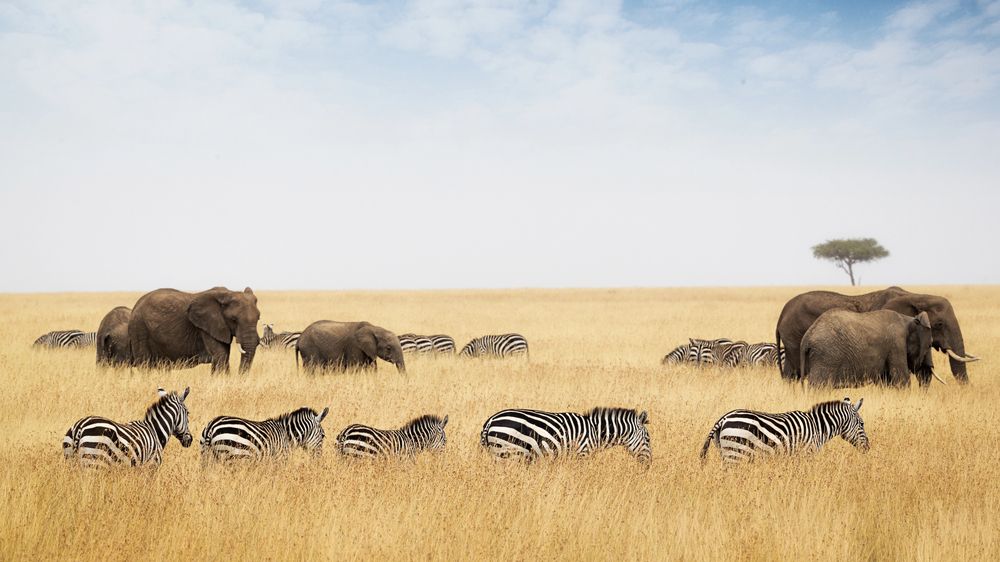
The herds are in Tanzania. The Mara is not empty: resident wildebeest, zebra, topi and buffalo stay, and the predators that live on them stay too.
January and February are hot, dry and quiet, with superb cat viewing. March to May are the long rains — the cheapest and most beautiful time of year, with some camps closed and some roads difficult. November and December bring short, sharp afternoon storms and very good value.
The advice that costs us money
If your dates are flexible and a crossing is not the whole point, come in January, February or November. You will pay far less, see excellent predators, and share the Mara with a fraction of the vehicles.
The migration is extraordinary. It is not the only reason to come to Kenya, and in August you are paying handsomely to share it.
More from our Kenya guides
Specialist guides across our Kenya network
Each of these is a focused guide we publish. Same Kenya specialist behind every enquiry.
Ready to turn this into a real itinerary?
Send us your dates, who is travelling and roughly what you want to spend per person per night. Our Kenya specialist comes back within 24 hours with a plan built around them and a costed quote.