Location
The crossings are here. The quiet is over there.
In migration season those two facts pull in opposite directions, and where you sleep decides which one you get.
The trade, stated plainly
| National Reserve | Private conservancy | |
|---|---|---|
| Distance to crossing points | Minutes | An hour or more each way |
| Reserve entry fee | In your rate | Paid per day you drive in |
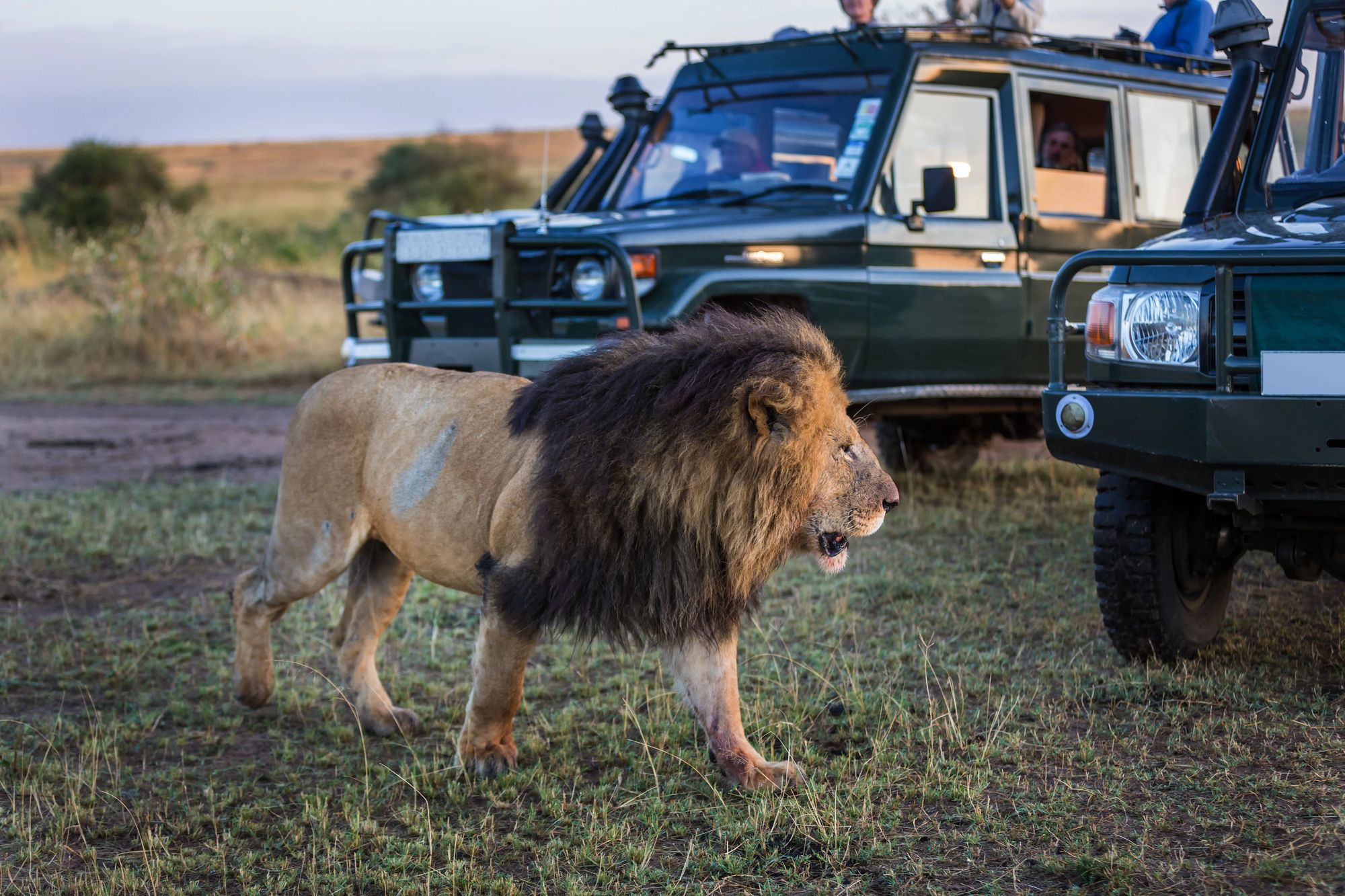
| Vehicles at a crossing | Many | Many — you are in the reserve too |
| The rest of your week | Busier. No off-road, no night drives, no walking. | Quiet, off-road, night drives, walking. |
| Cost per night | Lower | Higher |
Our usual suggestion
Split it. Two nights in a conservancy at the start — quiet game drives, a night drive, a walk, a sense of the place. Then two or three in or beside the reserve while the herds are on the river.
You pay the conservancy premium for part of the stay instead of all of it, and you are in the right place on the mornings that matter.
- Crossings are the whole point → reserve, near the river, three nights minimum.
- Crowds would ruin it → conservancy, and accept the drive on crossing days.
- First safari, want it all → split, conservancy first.
- Tight budget in peak season → outside the boundary, and count the entry fees before you compare prices.
A thing camps do not advertise
In August, reserve camps near the main crossing points charge a premium for the location and sell out first. Camps in the same reserve but further from the river are cheaper and often quieter — and thirty minutes further away.
Whether that thirty minutes matters depends entirely on how many nights you have. With four, it does not. With two, it does.
More from our Kenya guides
Specialist guides across our Kenya network
Each of these is a focused guide we publish. Same Kenya specialist behind every enquiry.
Ready to turn this into a real itinerary?
Send us your dates, who is travelling and roughly what you want to spend per person per night. Our Kenya specialist comes back within 24 hours with a plan built around them and a costed quote.